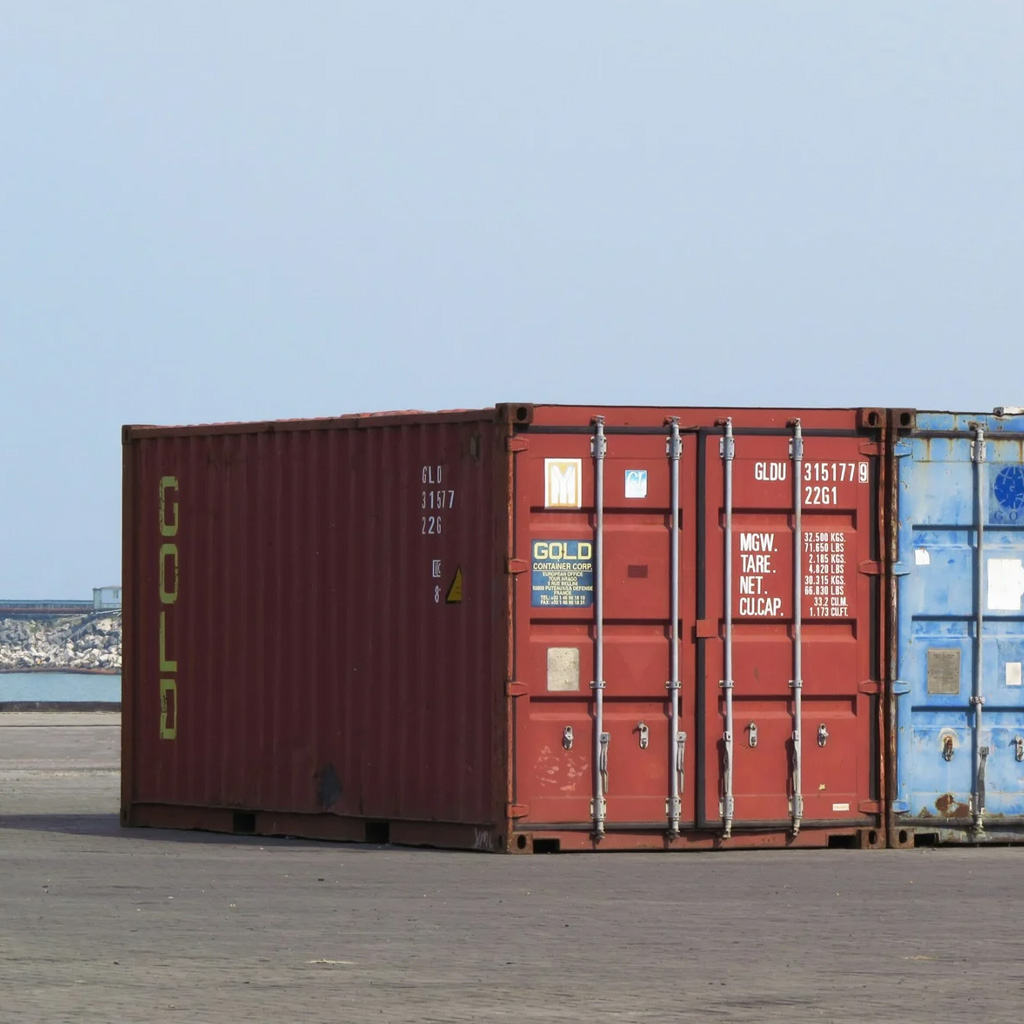
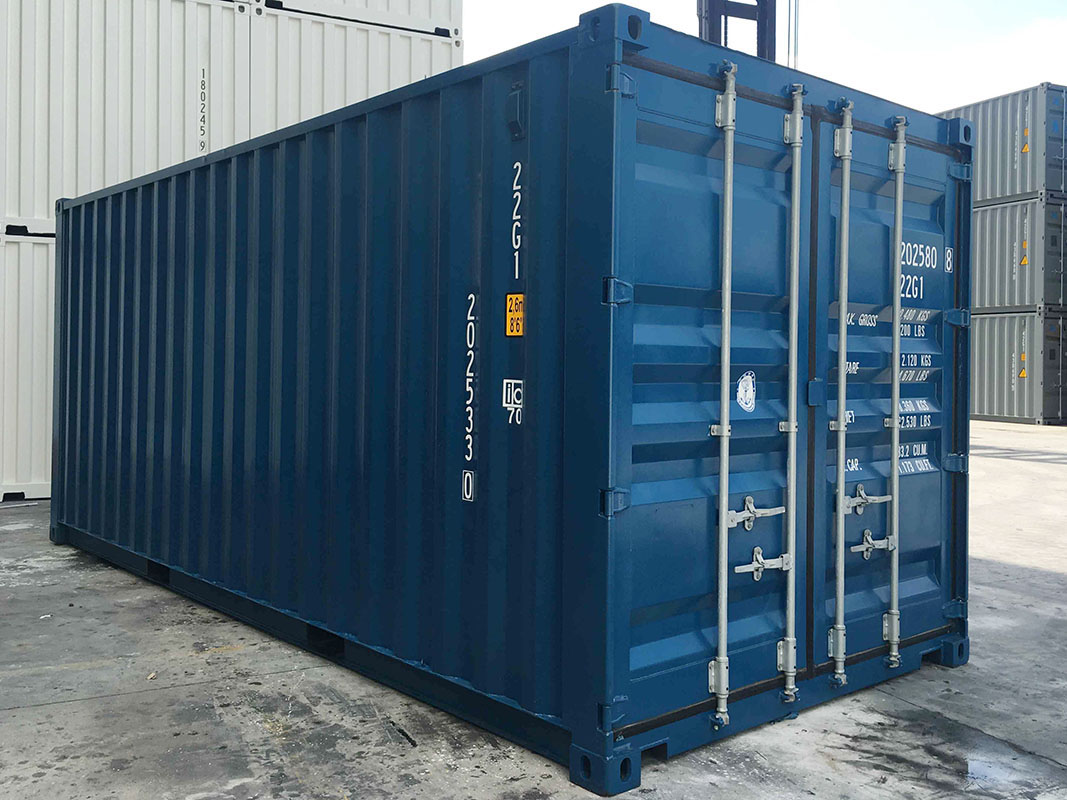
Choosing between a 20ft and 40ft container is the most common decision buyers face. Both are ISO-standard steel boxes built to survive ocean crossings, but they serve very different needs once they reach your property. This guide breaks down the real-world differences—dimensions, weight, cost, and ideal use cases—so you can pick the right one without second-guessing.
SIDE-BY-SIDE COMPARISON
| Spec | 20ft Container | 40ft Container |
|---|---|---|
| External Length | 20’ (6.06m) | 40’ (12.19m) |
| External Width | 8’ (2.44m) | 8’ (2.44m) |
| Standard Height | 8’6” (2.59m) | 8’6” (2.59m) |
| High Cube Height | 9’6” (2.89m) | 9’6” (2.89m) |
| Floor Area | 160 sq ft | 320 sq ft |
| Capacity | 1,172 cu ft | 2,390 cu ft |
| Tare Weight | 5,071 lbs | 8,333 lbs |
| Typical Price (New) | $3,000–$4,500 | $4,500–$6,500 |
| Typical Price (Used) | $1,500–$3,000 | $2,500–$4,000 |
WHEN A 20FT CONTAINER IS THE BETTER CHOICE
The 20ft container hits a sweet spot for residential buyers and small-scale projects. At just over 19 feet of usable interior length, it fits comfortably on most suburban driveways, alongside garages, and in backyards that a 40ft unit would overwhelm. Zoning restrictions in many neighborhoods limit structure footprint—a 20ft box usually slides under those limits without issue.
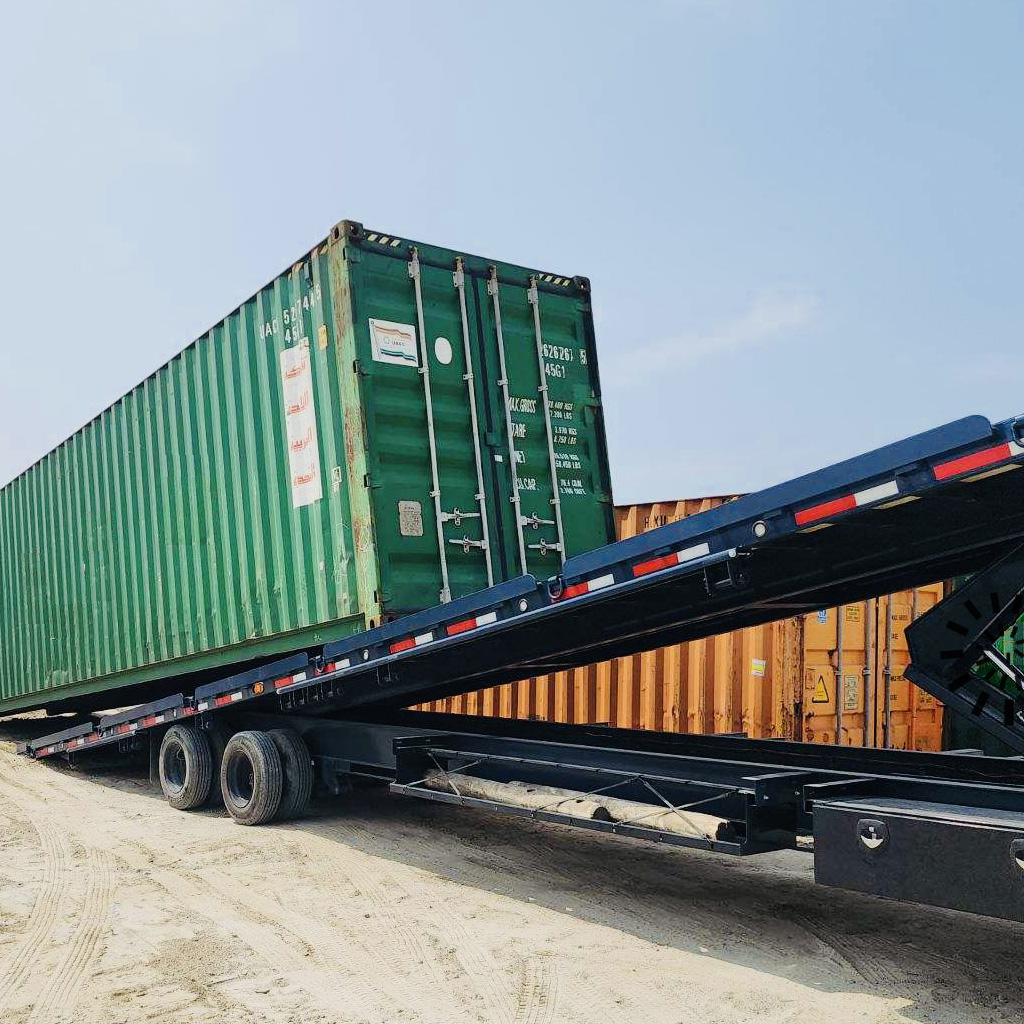
Cost savings go beyond the sticker price. A 20ft container weighs roughly 5,000 lbs empty, which means a standard tilt-bed truck can deliver it without specialized equipment. That translates to lower freight charges in nearly every zip code. If your budget is tight, a used 20ft container in wind-and-watertight condition can land on your property for well under $3,000 delivered.
Common uses include backyard storage sheds, small workshops, garden studios, and portable offices. The 160 sq ft of floor area is roughly the size of a large bedroom—plenty of room for tools, equipment, or seasonal furniture. And if even 20 feet sounds like too much, consider a 12ft shipping container for ultra-tight spaces.
WHEN A 40FT CONTAINER IS THE BETTER CHOICE
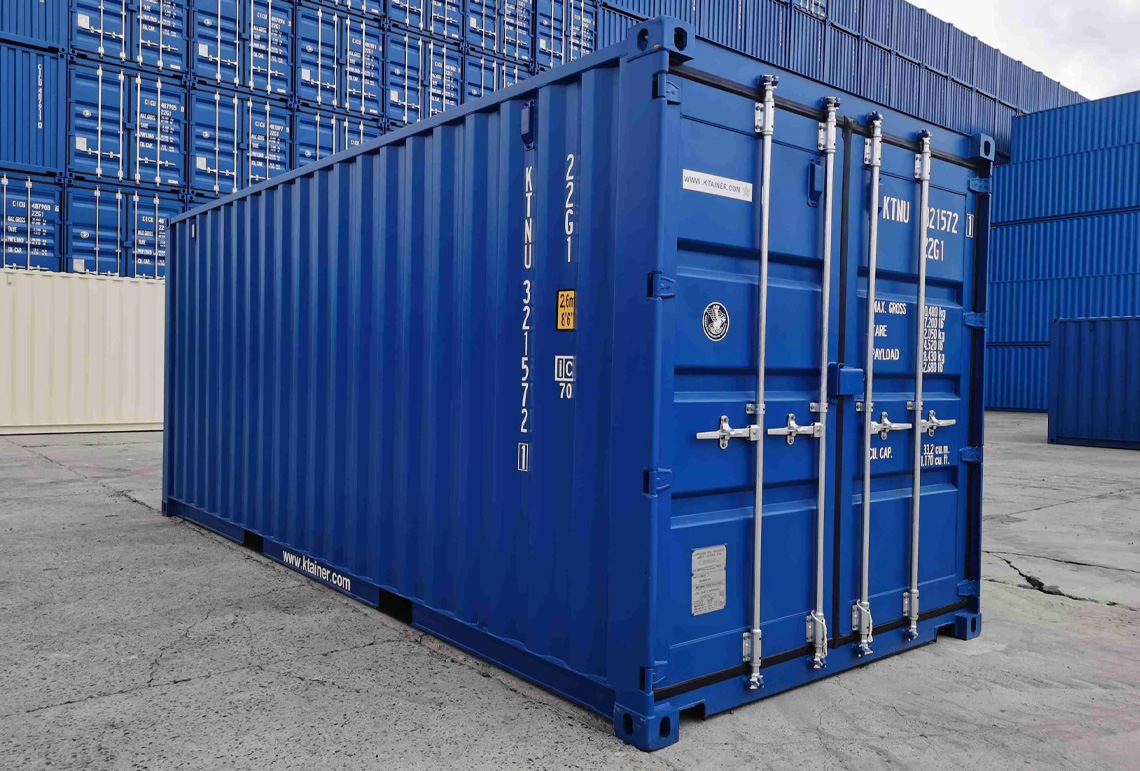
Double the floor space at less than double the cost—that is the fundamental math behind the 40ft container’s popularity. At 320 sq ft, you get enough room for a full workshop, a small retail build-out, or the bones of a container home. Per square foot, nothing else in the steel storage world comes close on value.
The 40ft high cube is the single most popular container sold in the United States. Its 9’6” ceiling height gives builders and converters real headroom for insulation, HVAC ducting, and finished interiors. If you’re planning a container home or commercial conversion, this is almost certainly the unit you want to start with.
For commercial storage, construction job sites, and agricultural operations, the 40ft standard is the workhorse. You can park a full-size ATV inside alongside shelving racks and still have room to walk. Farmers use them to store hay, feed, and equipment out of the weather. Contractors stage entire job-site inventories in a single box. If you have the space on your property, the per-square-foot value of a 40ft container is simply unbeatable.
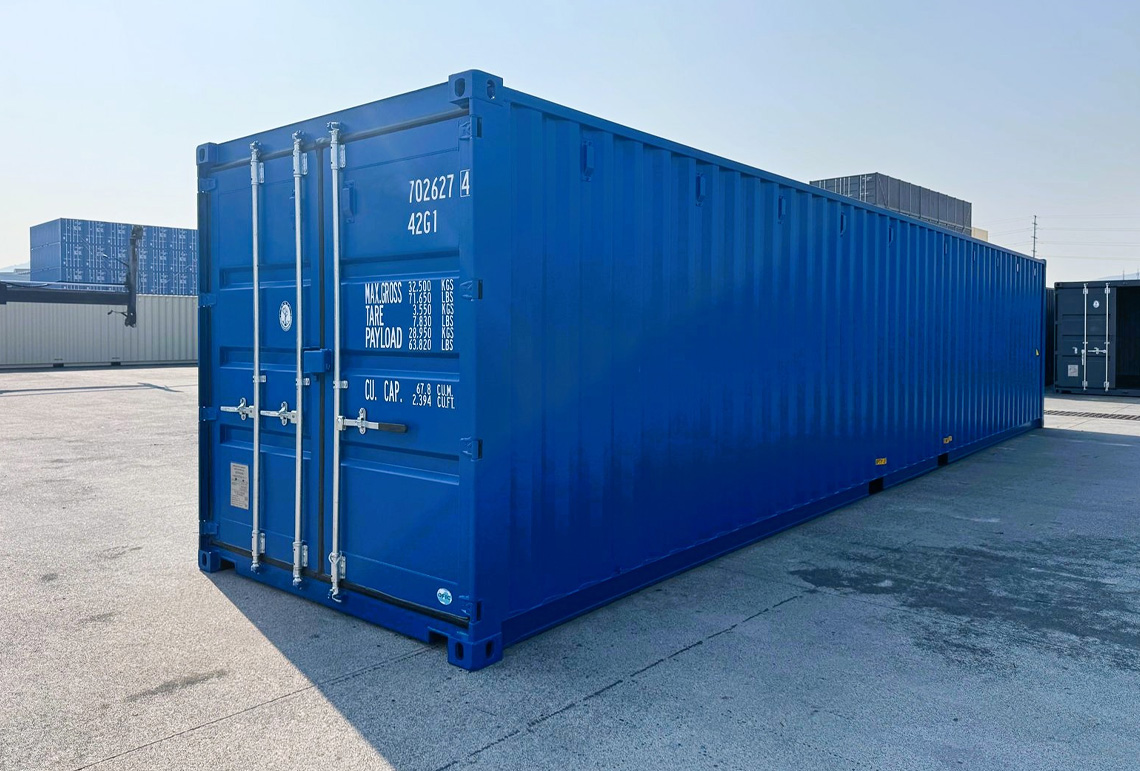
THE 12FT OPTION FOR MICRO STORAGE
For buyers who find even a 20ft container too large, the 12ft shipping container offers roughly 96 sq ft in a package that fits almost anywhere. These compact units are popular for residential driveways where setback rules are strict, small businesses that need secure on-site storage without sacrificing parking spaces, and garden rooms or backyard studios where footprint matters more than volume. If space is your primary constraint, the 12ft is worth a serious look.
DELIVERY COST DIFFERENCES
Container price is only part of the equation—delivery can add several hundred dollars to your total, and the size you choose directly affects that number. A 20ft container weighs roughly 5,000 lbs and measures under 20 feet. Most standard tilt-bed trucks handle them without issue, and drivers can place them in relatively tight spots with minimal site prep.
A 40ft container is a different story. At over 8,300 lbs and 40 feet long, it often requires a longer chassis, wider turning radius, and sometimes crane access depending on your site layout. If your driveway curves sharply or runs between buildings, expect the delivery company to charge a premium—or require a crane lift. Factor delivery cost into your total budget before committing to a size. For a full breakdown of what drives freight pricing, read our guide on shipping container delivery cost.
MAKING YOUR DECISION
- Choose 20ft if: Residential site, budget under $3k, single-bay storage, tight driveway or limited access
- Choose 40ft if: Commercial use, maximum storage capacity, container conversion or home build, open site with good truck access
- Choose 12ft if: Ultra-compact need, narrow driveway placement, garden room or small studio
The right container is the one that fits your space, your budget, and your intended use—nothing more, nothing less. Most residential buyers end up happiest with a 20ft. Most commercial buyers land on the 40ft high cube. And a growing number of homeowners are discovering the 12ft as the Goldilocks option for tight lots.
Not sure which size fits your project? Contact our team—we’ll help you figure out the right container and deliver a quote with freight included.