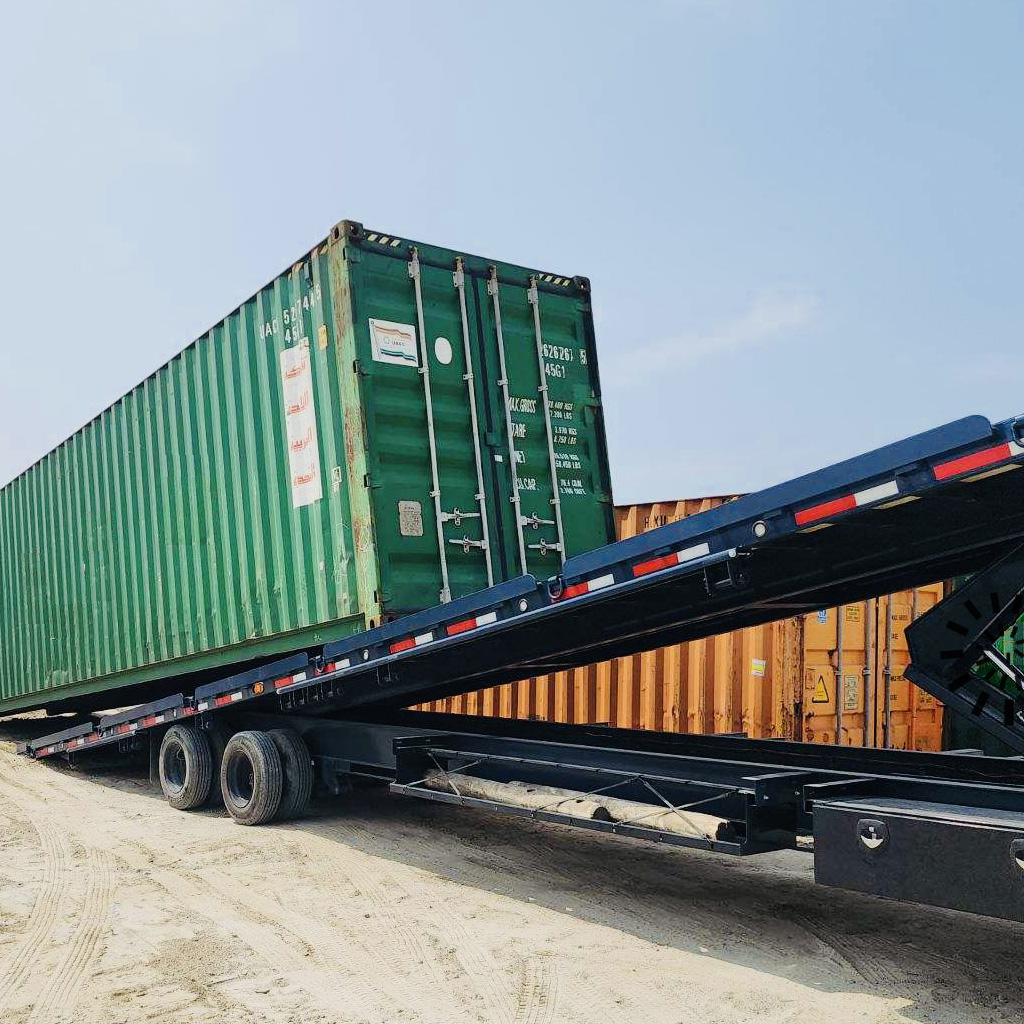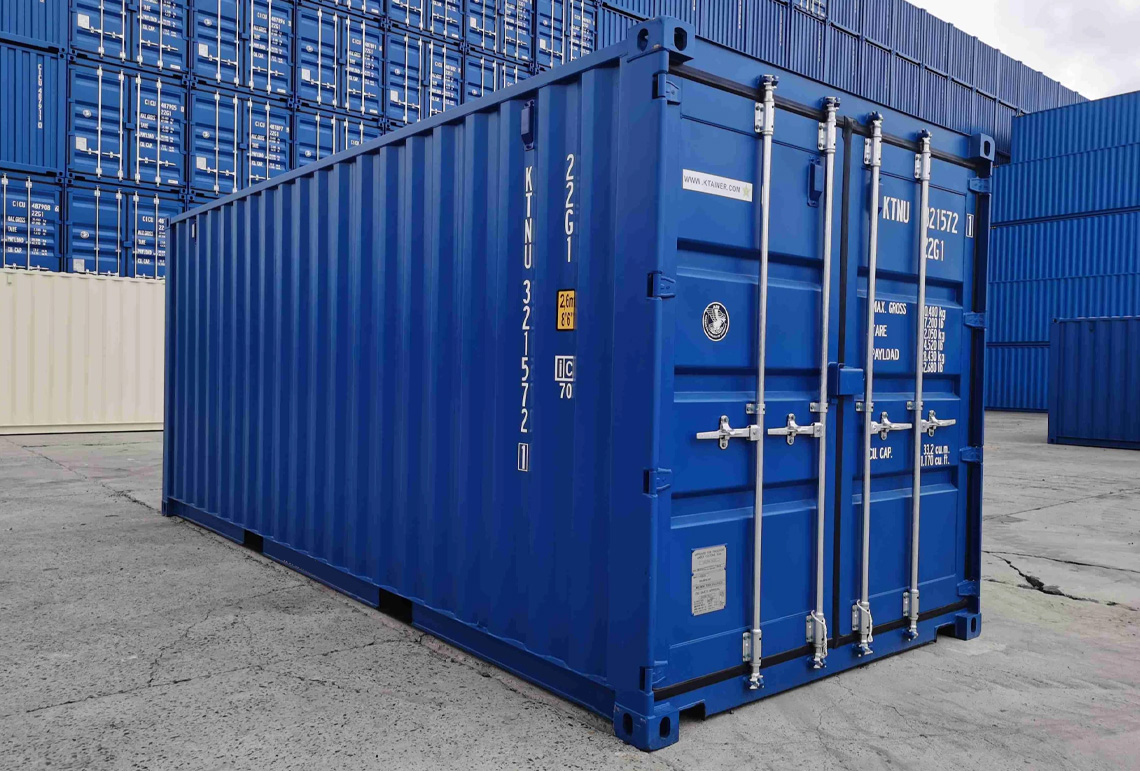
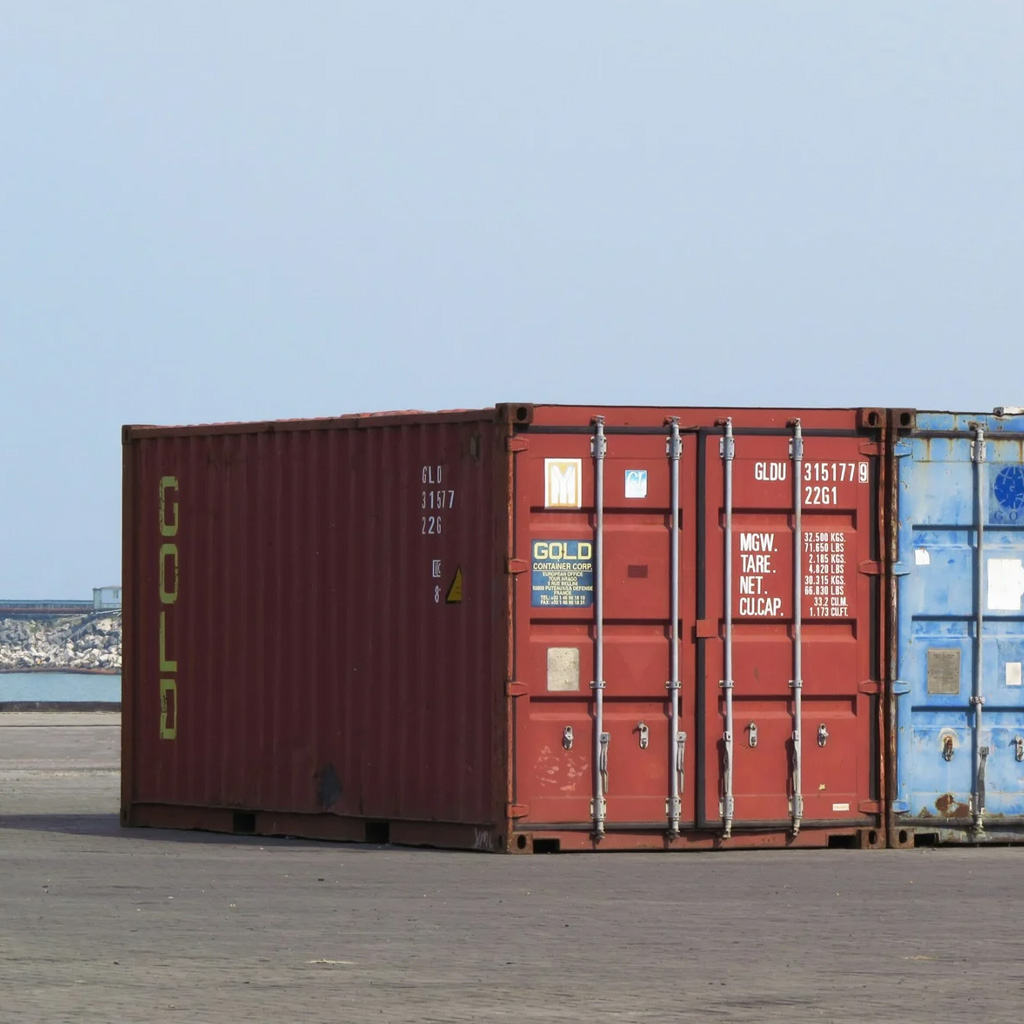
Not every project demands a brand-new container. Used shipping containers offer the same corten steel construction at a fraction of the cost — but only if you know what to inspect. A good used container will serve you for decades. A bad one becomes an expensive headache before you even get it off the truck. Here’s how to buy with confidence.
UNDERSTANDING CONDITION GRADES
The used container market breaks down into three standard condition grades. Each serves a different purpose and carries a different price tag. Knowing the difference saves you from overpaying or, worse, underpaying for a unit that won’t hold up.
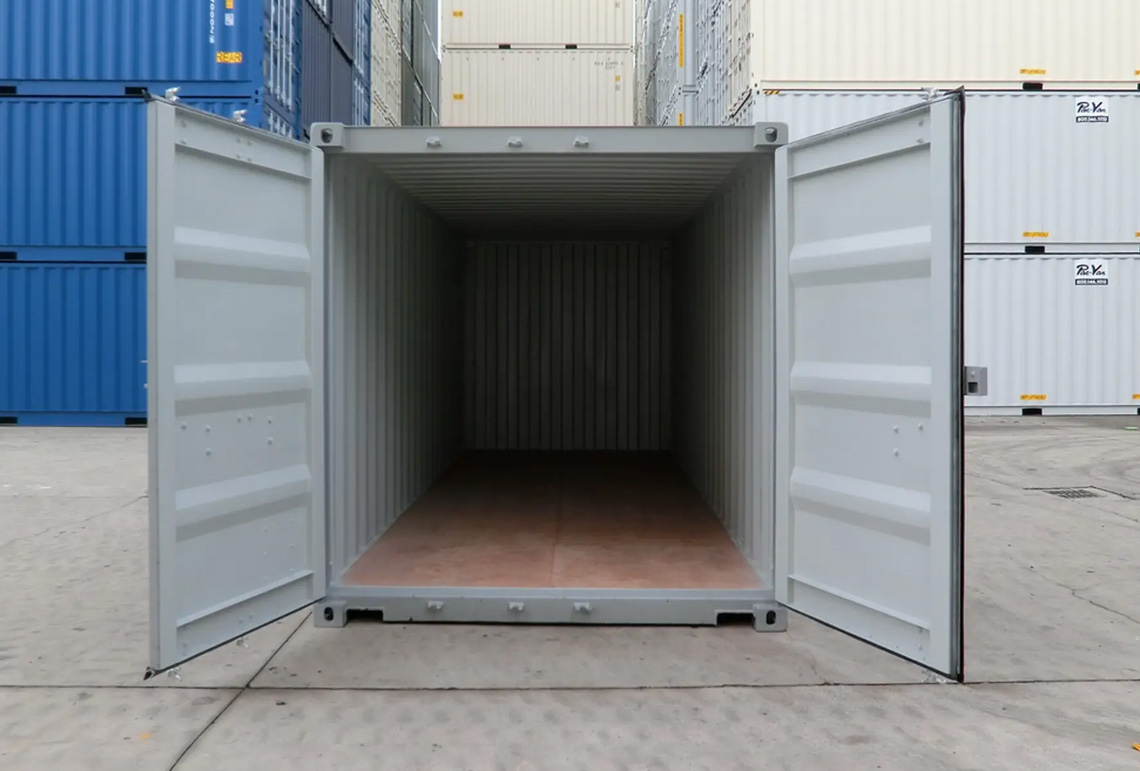
- One-Trip (New): Manufactured overseas and shipped to the U.S. carrying a single load of cargo. These arrive in near-perfect condition — minimal handling marks, clean interiors, fully functioning hardware. One-trip units are the best choice for container homes, pop-up shops, and any project where appearance matters. They cost more, but you’re getting a container that’s essentially brand new. Browse our 20ft and 40ft one-trip inventory to see what’s available.
- Cargo Worthy (CW): These containers have done real work — years of ocean crossings, port handling, and international shipping. They carry a current CSC certification, meaning they’re structurally sound and approved for stacking and transport. Expect surface rust, minor dents, and scuff marks. But the steel is solid, the doors seal properly, and the container keeps weather out. For most buyers, cargo-worthy represents the best value. Check our used container selection for current CW stock.
- Wind & Watertight (WWT): Retired from active shipping duty. These containers have lost their CSC certification, which means they can no longer be used for international transport or certified stacking. They’ll show heavy cosmetic wear — significant surface rust, dents, maybe some patched areas. But they still seal against rain, wind, and pests. Ideal for ground-level storage where looks don’t matter and budget does.
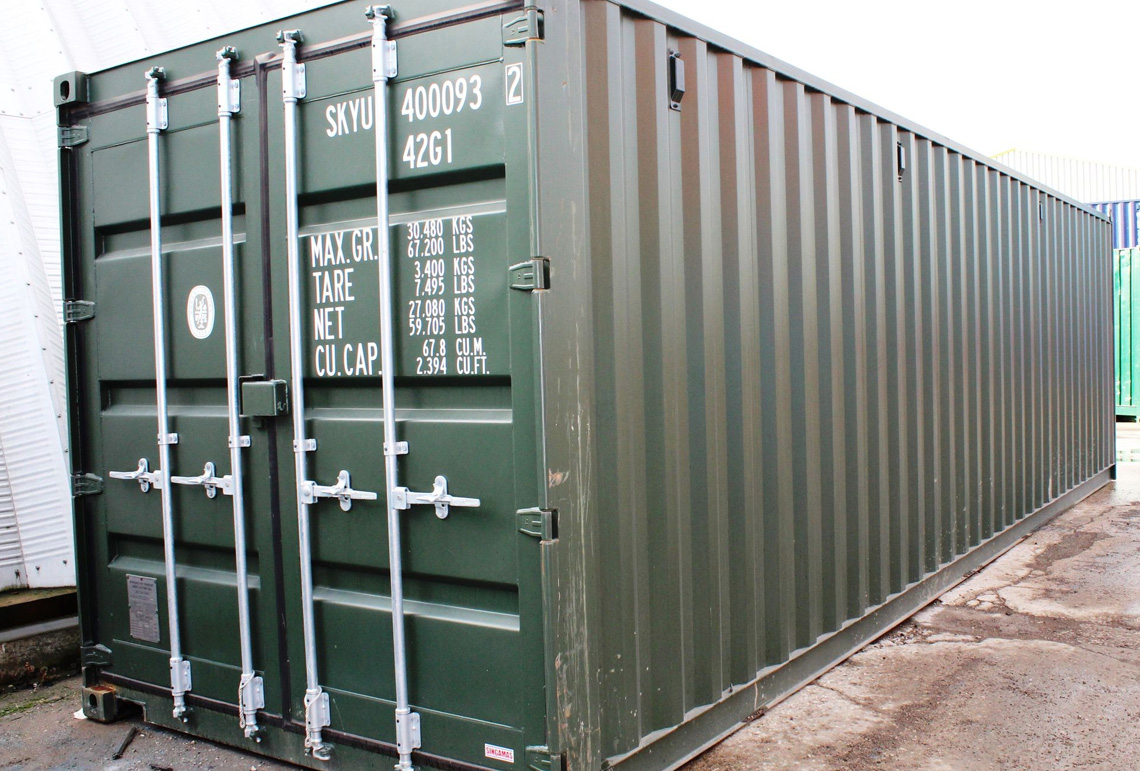
RED FLAGS THAT SHOULD STOP A PURCHASE
Not every used container is worth buying. Some have been ridden too hard and put away wet. Watch for these deal-breakers during any inspection, whether you’re on site or reviewing photos remotely.
- Excessive floor rust or soft spots — the marine-grade plywood flooring should feel solid underfoot. Press hard with your boot. If it flexes, crumbles, or feels spongy, the floor framing underneath has likely corroded. Walk away.
- Daylight visible through walls or ceiling — step inside, close the doors, and look for pinpricks of light. Even tiny holes mean the container is no longer watertight. Patching is possible but signals broader corrosion.
- Doors that won’t open or close smoothly — the cargo doors should swing freely on their hinges and seat firmly against the gaskets when locked. Misaligned doors almost always indicate structural damage or frame twist from a heavy impact during transport.
- Missing or expired CSC plate — if you plan to ship or stack the container, the CSC plate must be current. A missing plate could also indicate the unit was previously condemned.
- Strong chemical odors inside — shipping containers carry all kinds of cargo across oceans. Some of that cargo is hazardous. If the interior smells off — chemical, acrid, or simply wrong — don’t rationalize it. Move on to the next unit.
THE BUYER’S PHOTO CHECKLIST
If you’re buying remotely — and most of our customers are — demand these photos before committing. A reputable seller will have no problem providing them. A seller who pushes back or claims they don’t have photos is telling you everything you need to know.
- All four exterior sides (captures dents, rust, and overall paint condition)
- Both door faces, closed and open
- Door gasket/seal close-up
- Floor interior from the doorway
- Ceiling interior (check for patches or holes)
- CSC plate close-up
- Lock rod and handle mechanism
- Undercarriage / cross-members if accessible
At Container Coast, we send this exact documentation for every unit before you pay a deposit. No surprises, no guesswork. Reach out to our team and we’ll get your photos over within 24 hours.
CSC PLATES — WHAT THEY MEAN AND WHEN THEY MATTER
CSC stands for the Convention for Safe Containers, an international safety standard. The CSC plate riveted to every shipping container certifies that the unit is structurally safe for stacking and international ocean transport. It lists the manufacture date, maximum gross weight, allowable stacking weight, and the dates of required inspections. Shipping lines and ports use this plate to verify a container’s fitness before loading it onto a vessel.
Here’s the practical takeaway: if you only plan to use the container for ground-level storage on your property, an expired CSC plate is perfectly fine. The container doesn’t suddenly become unsafe the day the inspection lapses. But if you ever need to stack containers, transport them by sea, or resell to someone who might, you’ll need a current CSC certification. Re-inspection is possible but adds cost and time to the process.
NEW VS USED — MAKING THE RIGHT CALL
The right grade depends entirely on your project. There’s no universal best option — just the right fit for what you’re building.
Go new / one-trip for: container homes and conversions, customer-facing retail or hospitality spaces, long-term investments where longevity and appearance both matter. These projects justify the premium because they demand clean aesthetics and maximum lifespan.
Go cargo-worthy for: construction site storage, farm and ranch storage, backyard workshops, and budget-conscious projects where function outweighs form. CW containers deliver reliable performance without the new-unit price tag. This is where most of our customers land.
Go wind & watertight for: dry storage only — equipment, tools, seasonal inventory, overflow stock. Situations where the container sits in one place, never moves, and nobody cares what it looks like. WWT is the most affordable entry point into container ownership.
Still unsure which grade suits your project? Our team inspects every container personally and knows this inventory inside and out. Tell us what you need and we’ll match you with the right unit at the right price.