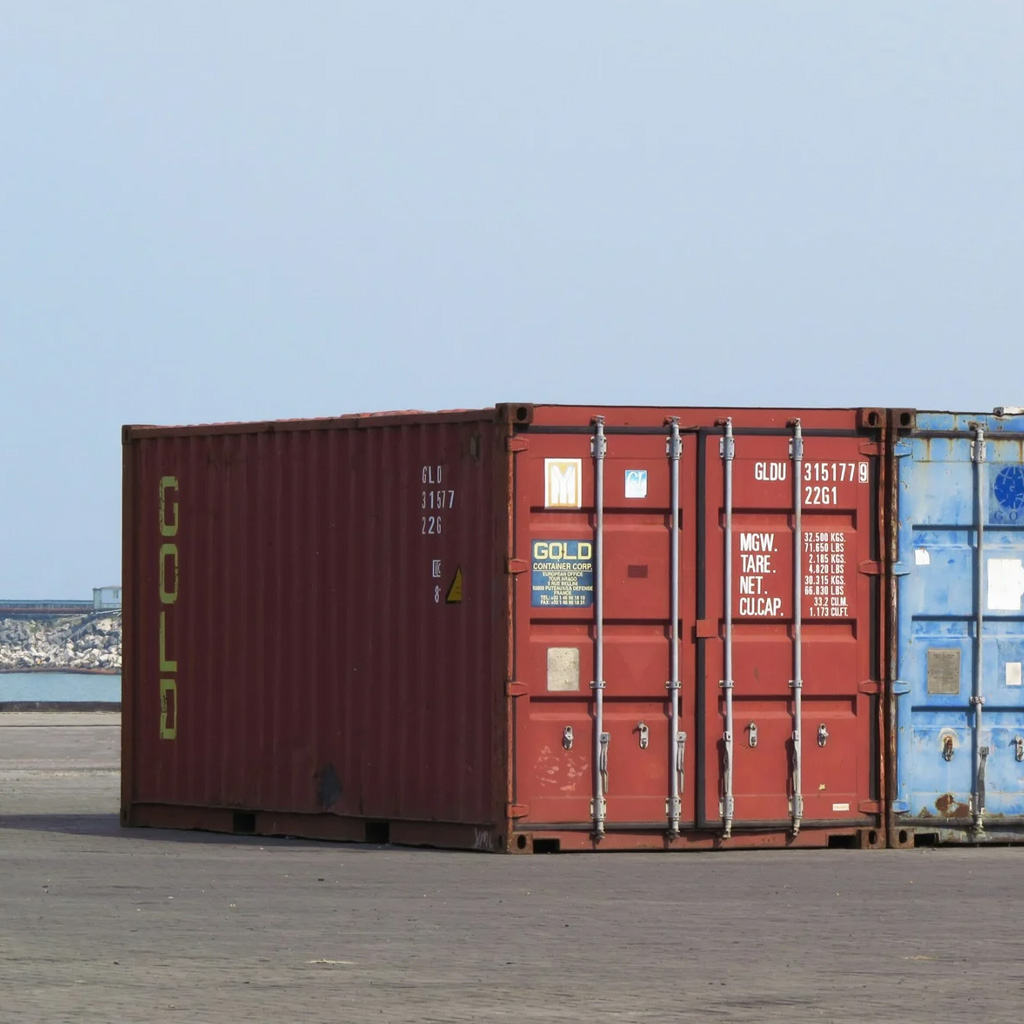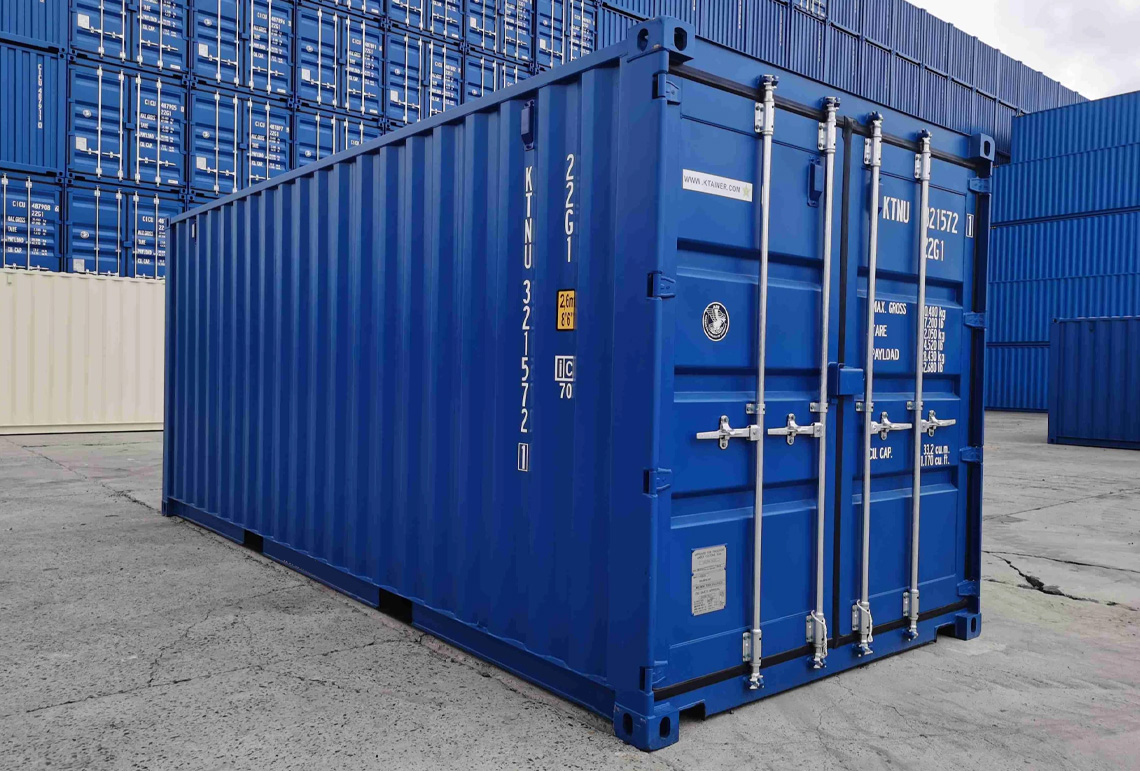
If you’re shopping for shipping containers using metric measurements, you’re working with the same global ISO standard that’s been in use since the 1960s. A 6 metre container is a 20ft container. A 12 metre container is a 40ft container. Same steel, same specs, different label. This guide bridges the metric-imperial gap and helps you choose the right size for your project.
METRIC TO IMPERIAL CONVERSION TABLE
| Metric Name | Imperial Name | Exact Length | Width | Std Height | HC Height |
|---|---|---|---|---|---|
| 6 metre | 20ft | 6.058m (19’10.5”) | 2.438m (8’0”) | 2.591m (8’6”) | 2.896m (9’6”) |
| 12 metre | 40ft | 12.192m (40’0”) | 2.438m (8’0”) | 2.591m (8’6”) | 2.896m (9’6”) |
The terms “6 metre” and “12 metre” are rounded approximations used in metric countries. The exact external length of a standard 20ft container is 6.058 metres; a 40ft container measures 12.192 metres. Both conform to ISO 668 and ISO 1496 international standards.
6 METRE (20FT) SHIPPING CONTAINERS
The 6 metre container is the compact workhorse of the global shipping industry. It offers 33.2 cubic metres (1,172 cu ft) of internal capacity, a floor area of roughly 14.9 square metres (160 sq ft), and a tare weight of 2,300 kg (5,071 lbs). That’s enough room for a household worth of furniture, a workshop full of tools, or a small business’s entire seasonal inventory.
This size dominates residential storage projects. It fits on standard driveways, slides into tight commercial lots, and costs less to deliver than its larger counterpart. For workshops, home offices, and compact on-site storage, the 6 metre container hits the sweet spot between usable space and manageable footprint. In the United States, this size is universally called a “20ft container” — but the product is identical to what’s sold as a “6 metre container” in Australia, Europe, and Asia. The steel, the dimensions, and the engineering are all the same. Browse our full 20ft shipping container range to see current stock and pricing.
12 METRE (40FT) SHIPPING CONTAINERS
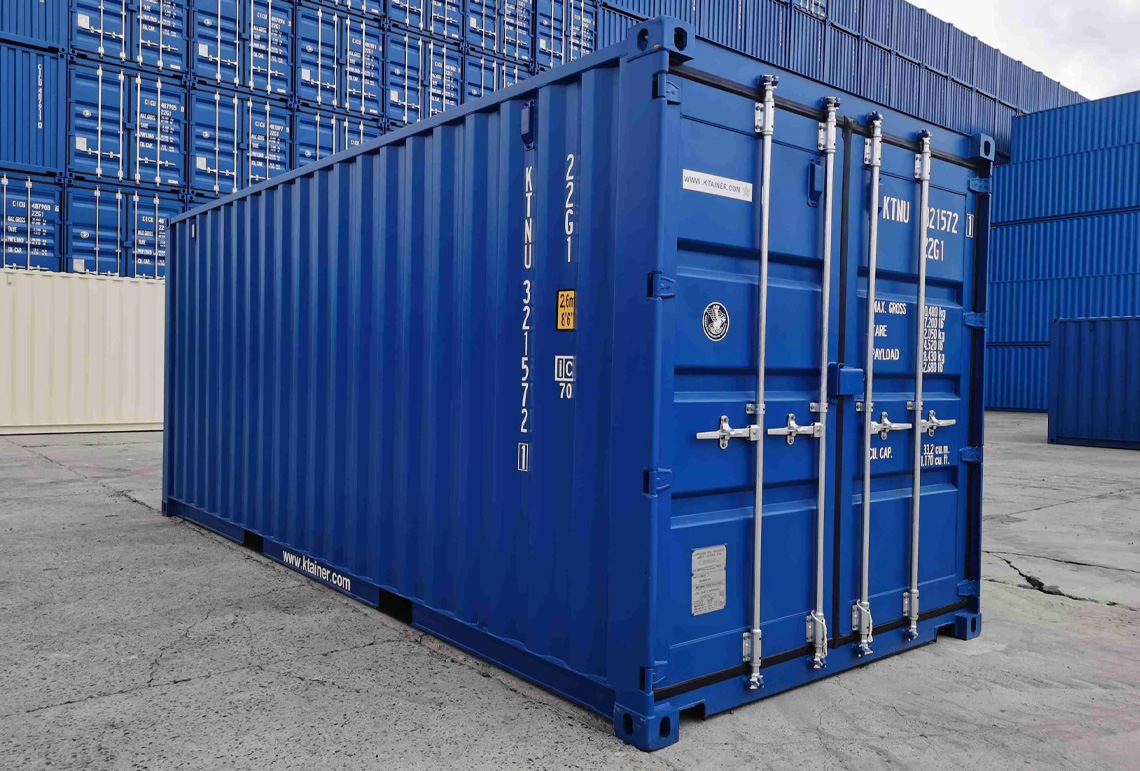
Step up to the 12 metre container and you double your space. Internal capacity jumps to 67.7 cubic metres (2,390 cu ft), floor area reaches approximately 29.7 square metres (320 sq ft), and tare weight sits at 3,780 kg (8,333 lbs). This is the most popular container size worldwide — and for good reason.
Commercial operations, construction sites, agricultural storage, and container home builds all gravitate toward the 12 metre format. It delivers serious volume without requiring multiple units, and the cost per square metre is significantly lower than buying two 6 metre containers. The high cube variant, with its 2.896 metre ceiling height, has become the best-selling configuration in the U.S. market. That extra 305mm of headroom makes a real difference for shelving, interior fit-outs, and livable conversions. Explore our 40ft shipping container inventory for available units and specifications.
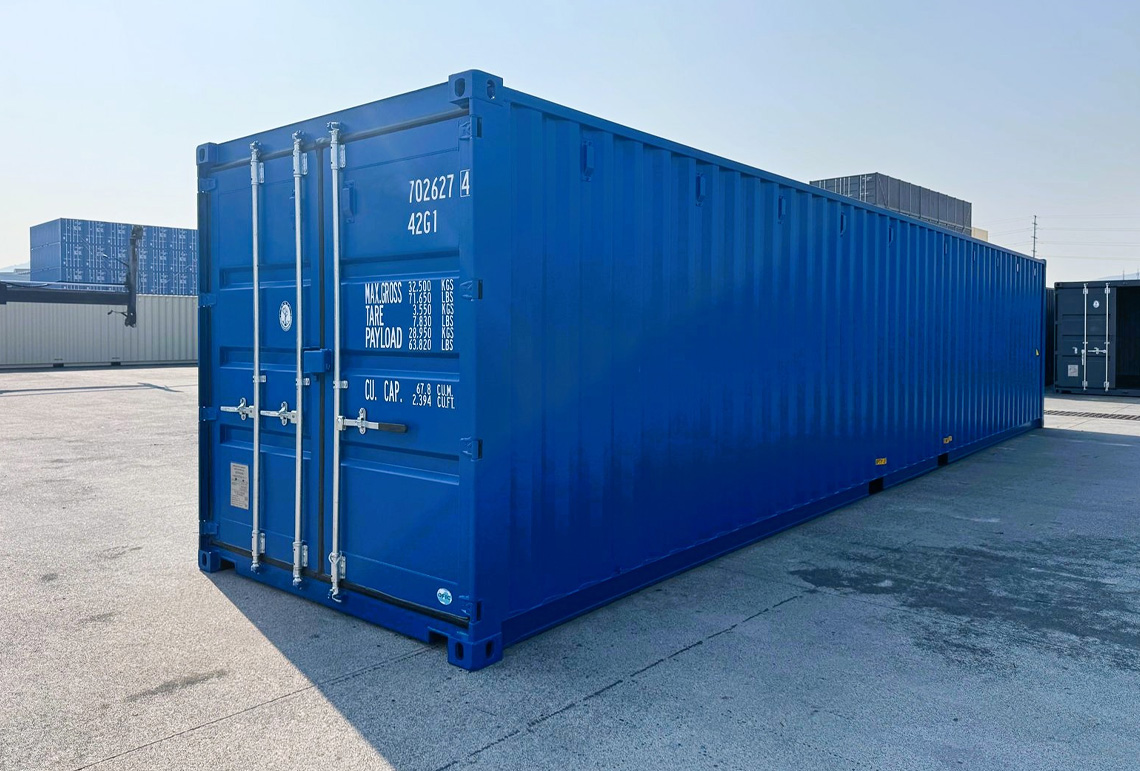
ISO CONTAINER STANDARDS EXPLAINED
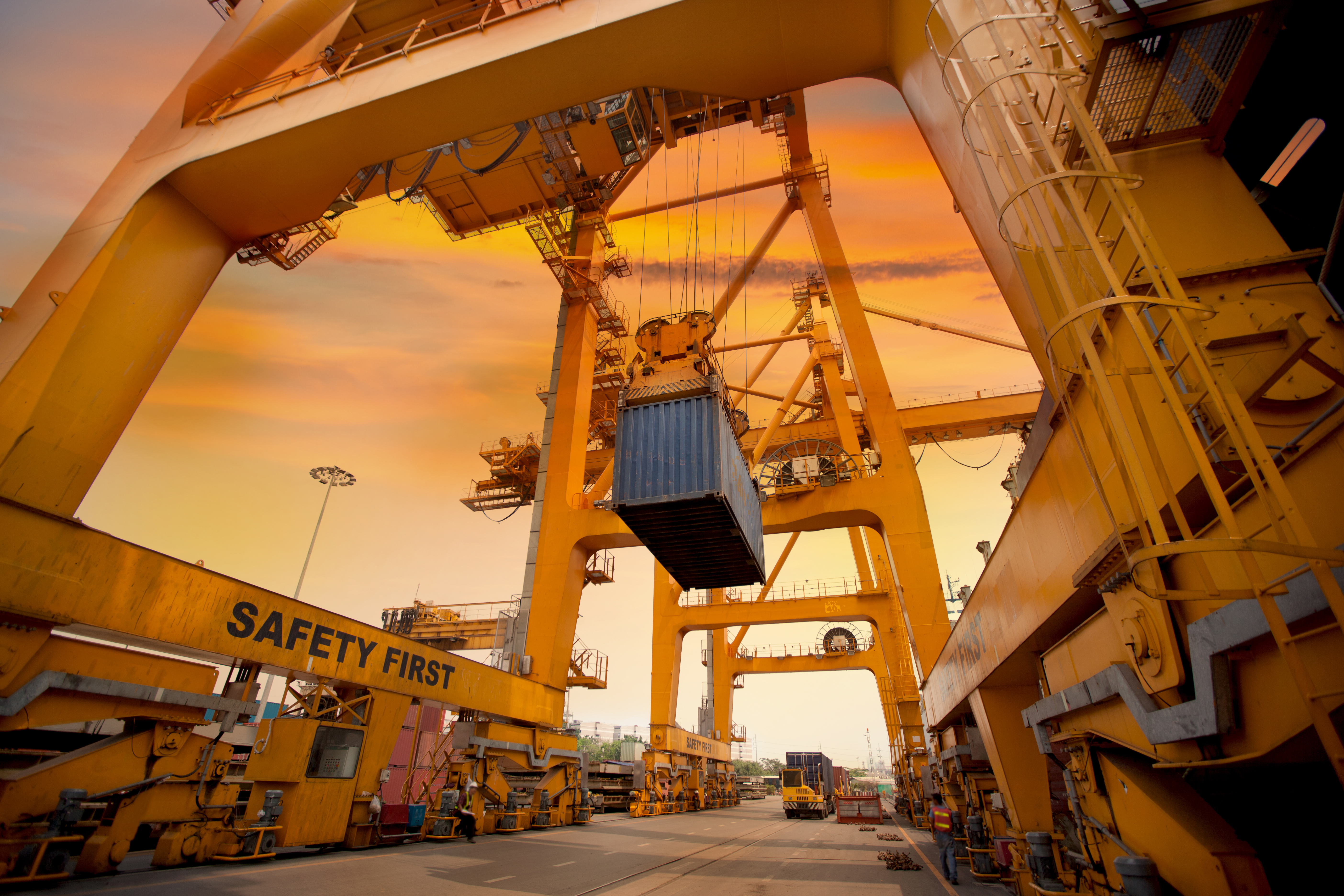
All standard shipping containers comply with ISO 668 (classification and dimensions) and ISO 1496 (structural specifications). These two standards ensure that containers are truly intermodal — they work seamlessly across ships, trains, and trucks anywhere in the world. Corner castings, twist-lock positions, and structural tolerances are all governed by these specifications.
The CSC plate (Convention for Safe Containers) riveted to each unit certifies it for safe stacking and international transport. It records the manufacture date, maximum gross weight, stacking capacity, and inspection history. Whether you call it a 6 metre or a 20ft, the engineering behind the container is identical. A container built in China to ISO standards will lock onto a chassis in Portland, Oregon, just as easily as one built in South Korea or India.
WHICH SIZE SHOULD YOU CHOOSE?
Choose 6 metre (20ft) if: you need compact storage, have a residential site with limited ground space, want lower delivery costs, or are working within tight access constraints. The smaller footprint also makes permitting easier in many jurisdictions, and you’ll spend less on site preparation.
Choose 12 metre (40ft) if: you need maximum capacity, are running a commercial operation, plan a container conversion or home build, or want the best value per square metre. The 40ft container gives you roughly twice the space for less than twice the price — making it the smarter investment for larger projects.
For buyers who need something even smaller, Container Coast stocks 12ft containers (~3.6 metres) — ideal for driveways, tight lots, and micro-storage applications where even a 20ft unit would be too large. See our 12ft container range for details.
Whether you’re searching for a 6 metre or 12 metre container, Container Coast delivers to all 50 U.S. states from our Portland depot. Tell us the size and condition you need, and we’ll get you a quote with delivery included. Get in touch with our team today.